
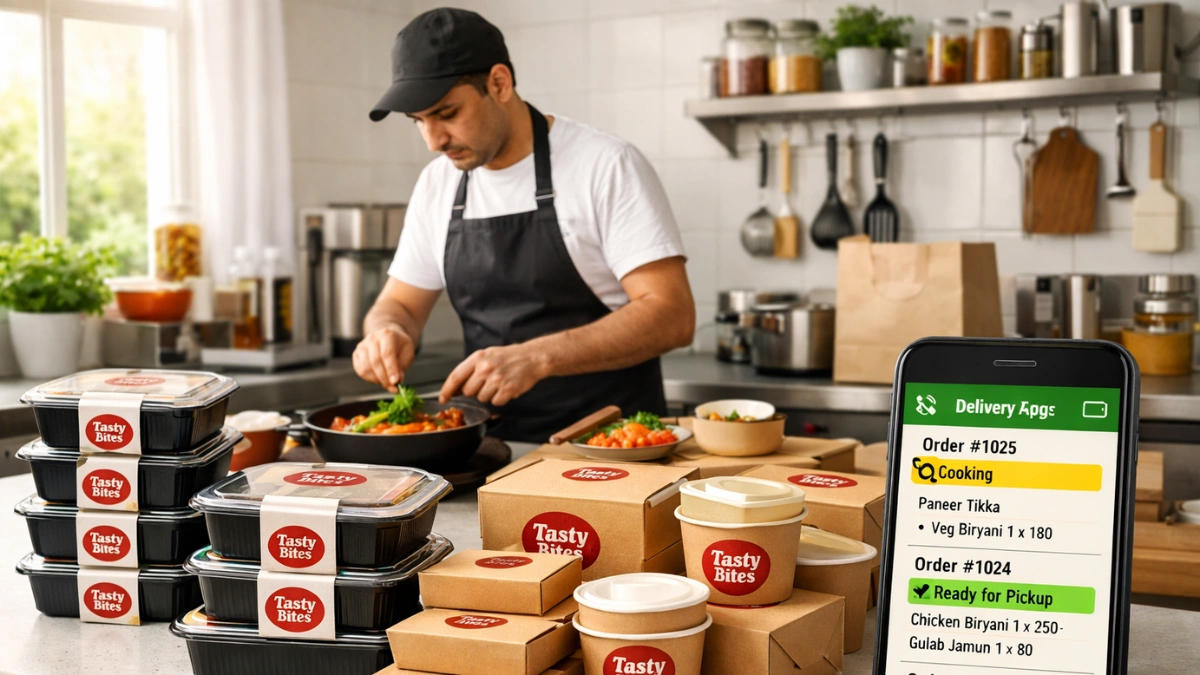
If you love cooking and dream of running a food business without spending lakhs on rent and décor, a Cloud Kitchen might be your perfect opportunity. The rise of food delivery apps has completely changed how people order meals and entrepreneurs are taking advantage of it.
A home-based cloud kitchen allows you to prepare food from your own kitchen and sell it online through delivery platforms. No dining area. No waiters. No expensive interiors. Just good food, smart planning, and online visibility.
In this complete guide, you’ll learn everything you need from setup and cost to registration, licensing, and listing on delivery platforms. Let’s break it down step by step.
What Is a Cloud Kitchen?
A cloud kitchen (also called a ghost kitchen or virtual kitchen) is a food business that prepares meals exclusively for delivery. Customers order online, and food goes straight from your kitchen to their doorstep.
There is no physical dining space. Everything happens digitally ordering, payment, and delivery.
Why cloud kitchens are booming in India
- Rapid growth of online food delivery
- Low startup investment
- Flexible working hours
- Ability to run multiple brands from one kitchen
- Growing demand for home-style meals
Platforms like Zomato and Swiggy have made it easier than ever to reach customers without opening a restaurant.
Is Starting a Cloud Kitchen from Home Legal in India?
Yes but only if you follow the proper food safety regulations and local municipal rules.
India regulates food businesses through the Food Safety and Standards Authority of India (FSSAI). Any business that prepares and sells food even from home must be registered or licensed under FSSAI.
You may also need local municipal permissions depending on your city and housing society rules.
Host Level Security in Cloud Computing – Complete Guide (2026)
How to Start Cloud Kitchen from Home in India (Step-by-Step)
Starting a cloud kitchen is simpler than opening a restaurant, but you still need a structured plan.
Step 1: Choose Your Food Concept
Decide what you want to sell. Focus matters.
Popular cloud kitchen niches:
- Homemade meals / tiffin service
- Biryani or regional cuisine
- Fast food or snacks
- Healthy diet meals
- Desserts or bakery items
Tip: Choose something you can cook consistently with high quality.
Step 2: Plan Your Menu Smartly
Keep the menu short and practical.
A good cloud kitchen menu:
- Uses similar ingredients across dishes
- Travels well in delivery
- Maintains taste for 30–45 minutes
- Is easy to prepare in batches
Overly complicated menus slow down operations and increase costs.
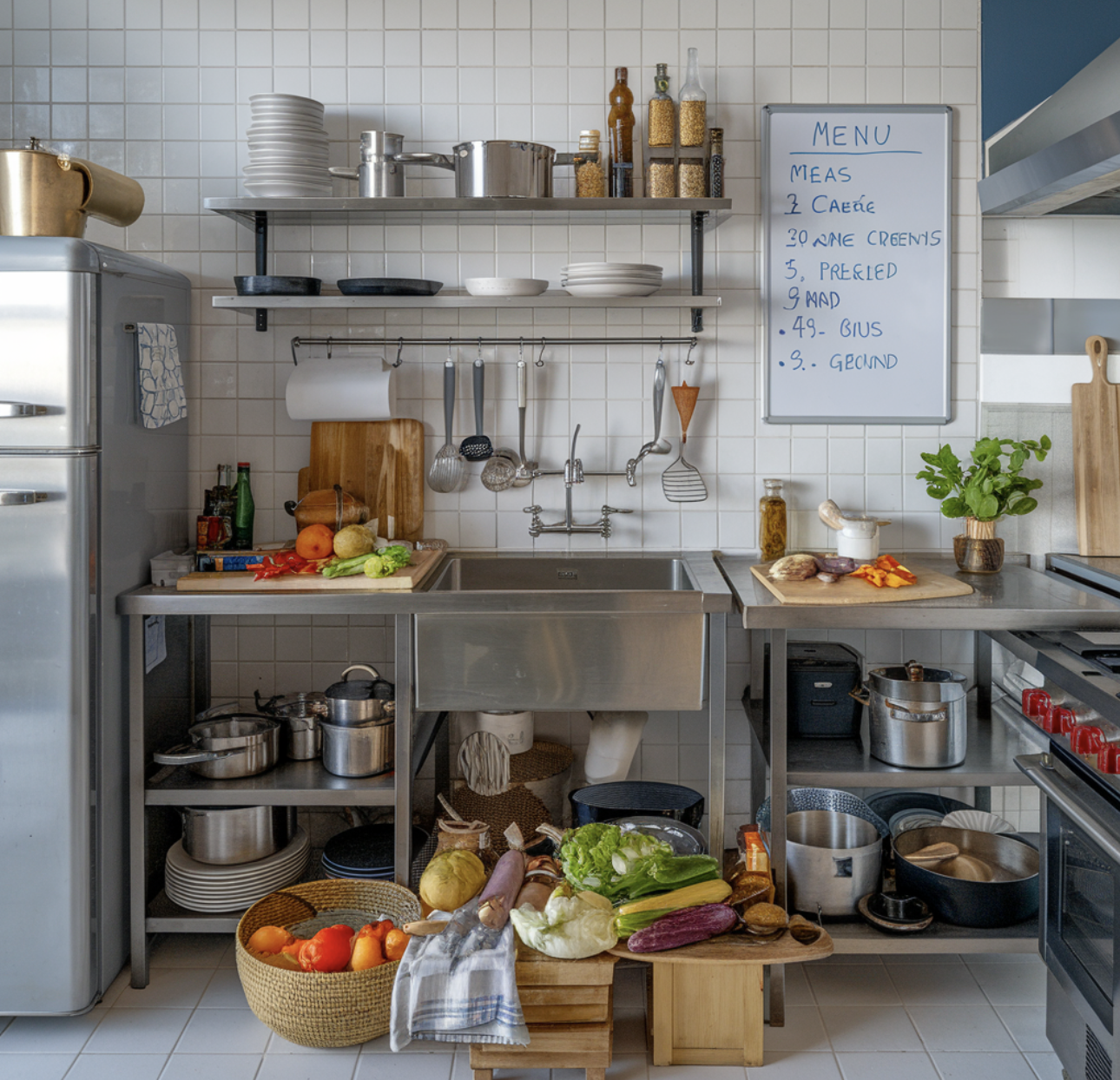
Step 3: Set Up Your Kitchen for Commercial Use
Your home kitchen must meet hygiene and safety standards.
Basic requirements:
- Clean preparation area
- Separate raw and cooked food storage
- Covered waste bins
- Proper ventilation
- Pest control measures
You may need:
- Extra utensils
- Storage containers
- Food packaging materials
- Refrigerator space
Step 4: Calculate Your Startup Cost
A home-based cloud kitchen is affordable compared to a restaurant.
Estimated basic investment (approximate ranges):
| Expense | Estimated Cost (INR) |
|---|---|
| Kitchen equipment upgrades | ₹10,000 – ₹50,000 |
| Packaging materials | ₹5,000 – ₹15,000 |
| FSSAI registration | ₹100 – ₹2,000 (depending on category) |
| Branding & menu design | ₹2,000 – ₹10,000 |
| Initial ingredients stock | ₹5,000 – ₹20,000 |
Total typical starting cost: ₹25,000 to ₹1 lakh depending on scale.
(Source: FSSAI registration fee structure and small food business cost estimates from industry food entrepreneurship guides.)
How to Get FSSAI License for Cloud Kitchen
Food safety registration is mandatory.
The Food Safety and Standards Authority of India regulates all food businesses under the Food Safety and Standards Act, 2006.
Types of FSSAI Registration
- Basic Registration – for small businesses with turnover under ₹12 lakh annually
- State License – for medium scale operations
- Central License – for large food businesses
Most home cloud kitchens start with Basic Registration.
Documents required
- ID proof
- Address proof of kitchen
- Passport-size photo
- Business details
Application process
Apply online through the official FSSAI FoSCoS portal.
(Source: Official FSSAI website and FoSCoS registration guidelines.)
Processing usually takes 7–30 days.
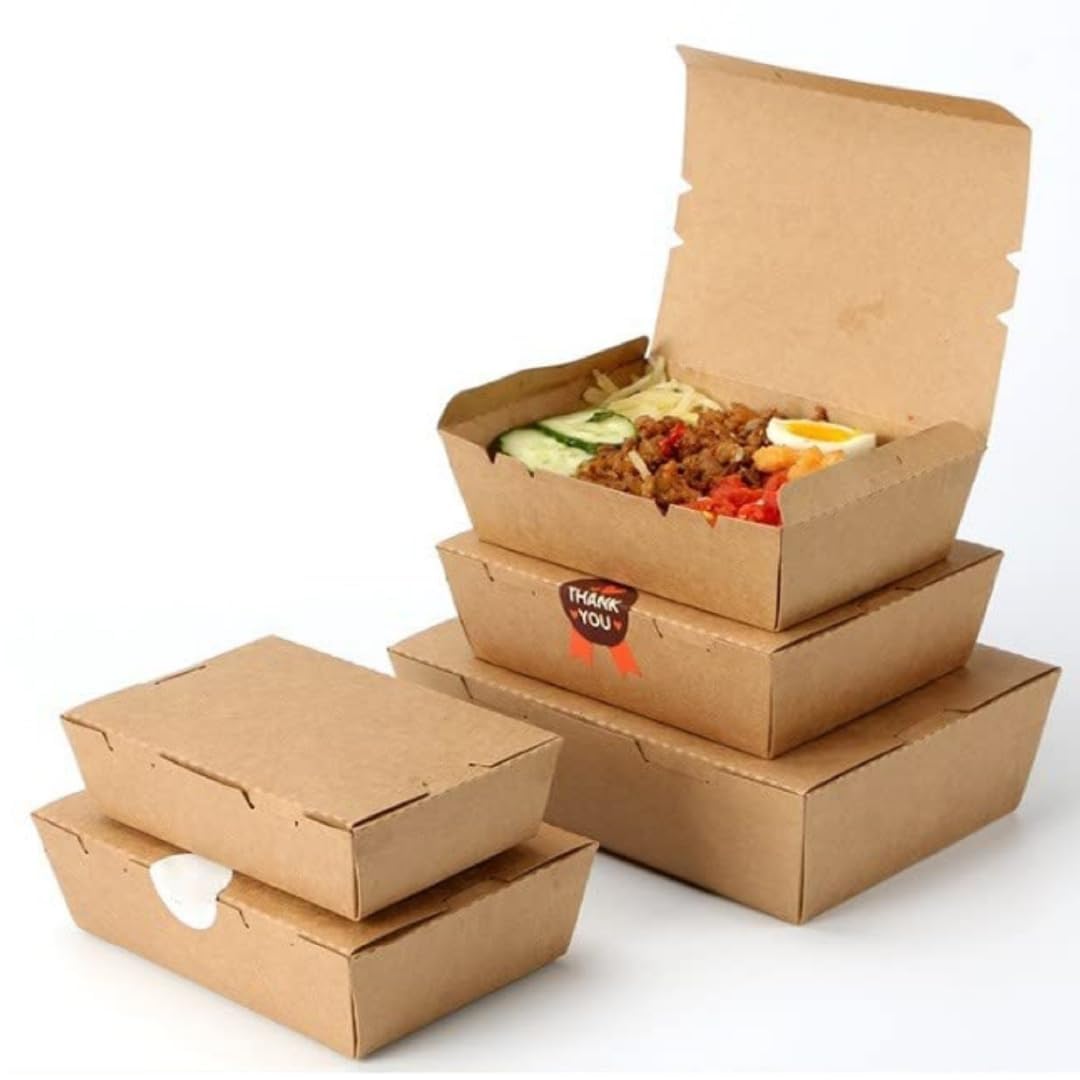
Packaging Matters More Than You Think
Your customer never sees your kitchen they see your packaging.
Good packaging should:
- Prevent leakage
- Maintain temperature
- Be tamper-proof
- Carry your brand name
Eco-friendly packaging also improves brand image and customer trust.
How to Start Cloud Kitchen from Home on Zomato
Getting listed on Zomato helps you reach thousands of local customers instantly.
Registration process
- Visit Zomato partner registration page
- Submit business details
- Upload FSSAI license
- Share bank and GST details (if applicable)
- Menu verification and onboarding
After approval, your kitchen appears in the delivery app.
Zomato charges commission per order, which varies by location and agreement.
How to Start Cloud Kitchen from Home on Swiggy
Swiggy follows a similar onboarding process.
Basic requirements
- FSSAI license
- PAN card
- Bank details
- Menu with pricing
- Kitchen photos (sometimes required)
After verification, your store goes live in the Swiggy app.
Marketing Your Cloud Kitchen
Even great food needs visibility.
Effective strategies:
- Attractive food photos
- Introductory discounts
- Combo meal deals
- Customer reviews management
- Social media promotion
- WhatsApp ordering for repeat customers
Consistency builds reputation faster than aggressive advertising.
Daily Operations Checklist
To run smoothly, follow a routine:
- Check inventory daily
- Maintain hygiene logs
- Standardize recipes
- Track order preparation time
- Monitor customer feedback
- Review platform ratings
Professional systems create professional results.
Profit Potential of a Home Cloud Kitchen
Profit depends on:
- Food cost control
- Pricing strategy
- Delivery demand in your area
- Customer retention
Many small operators achieve profit margins of 20–40% once orders stabilize.
However, results vary widely depending on menu and market demand.
Common Mistakes to Avoid
- Launching with too many dishes
- Ignoring food safety compliance
- Poor packaging quality
- Underpricing food
- Not tracking expenses
- Ignoring customer reviews
Avoid these early, and growth becomes easier.
Do You Need GST for a Cloud Kitchen?
GST registration depends on turnover and platform rules.
If your annual turnover exceeds the threshold defined by the Government of India GST framework, registration becomes mandatory.
Some food delivery platforms may also require GST depending on contract terms.
(Source: GST registration rules published by the Central Board of Indirect Taxes and Customs.)
Advantages of Starting from Home
- Minimal investment
- Lower financial risk
- Flexible working hours
- Easy to scale
- Test business before expansion
Many successful restaurant brands started as small home cloud kitchens.
When Should You Expand?
Consider expansion when:
- Orders exceed kitchen capacity
- Delivery radius limits growth
- You have repeat customers
- Profit is stable for 6+ months
Expansion options:
- Rent commercial kitchen space
- Launch second brand
- Franchise model
Final Thoughts
Starting a cloud kitchen from home is one of the most accessible food businesses in India today. With rising demand for online food delivery, low startup costs, and simple licensing procedures, it’s a practical way to turn cooking skills into income.
Follow food safety rules, build a focused menu, deliver consistent quality, and leverage online platforms effectively. Success doesn’t come from fancy interiors it comes from reliable taste, hygiene, and customer trust.
If you plan carefully and stay consistent, your home kitchen can grow into a full-scale food brand.